Why Personal Responsibility in Food Choices Matter
Food has always been more than calories on a plate. It carries memories, culture, and connection. The meals we grew up with, how they were prepared, when they were eaten, and who gathered around the table, shaped the traditions that last for generations.
But in the modern food system, something has quietly changed. Food has become increasingly disconnected from the people who grow it and the choices that bring it to our table.
That’s why personal responsibility in food choices matters.
The Hidden Choices Behind
Every Meal
With thousands of products lining grocery store shelves, convenience often drives what people buy. But every food purchase still supports a system.
Choosing food is not just about taste or price, It’s also about:
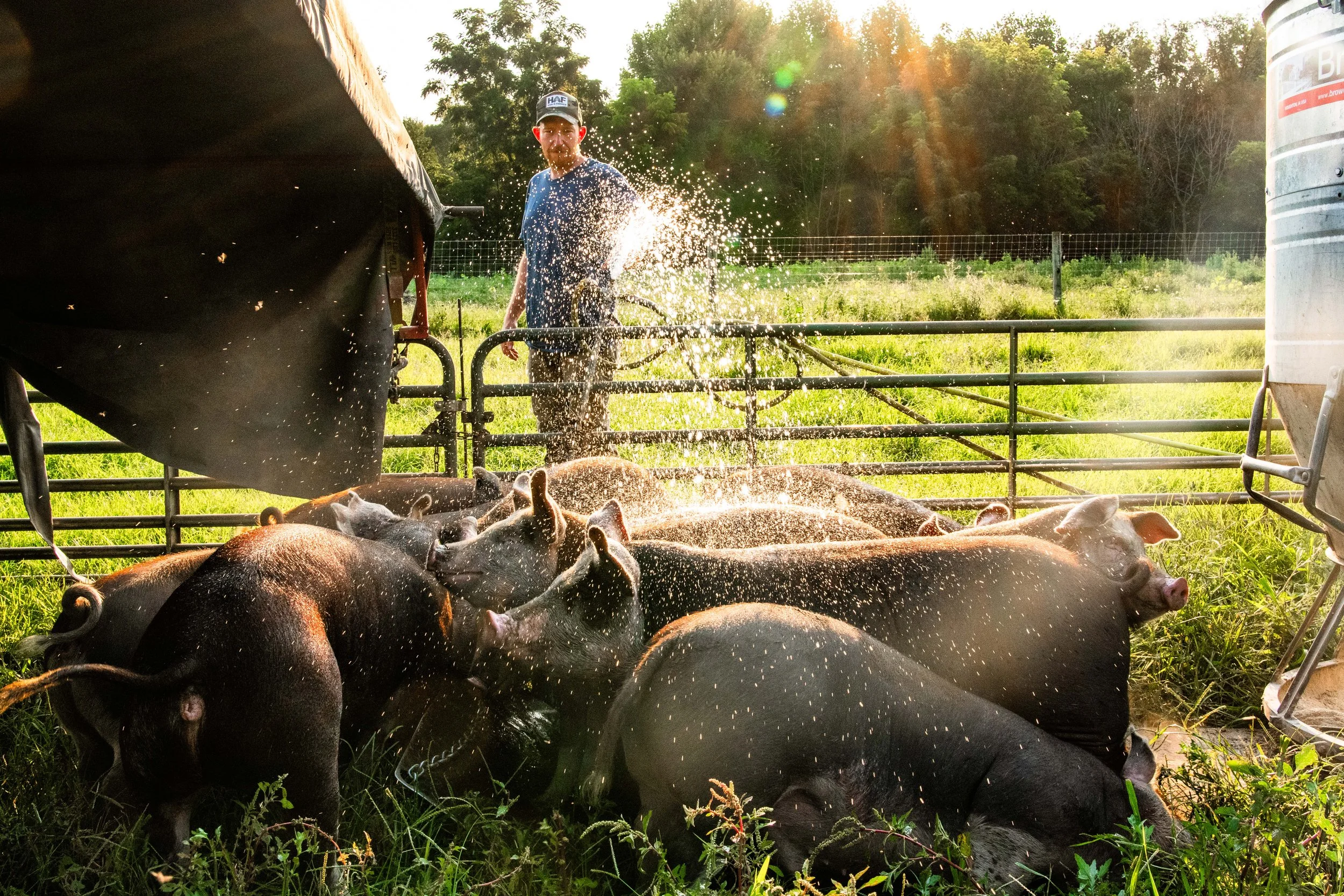
How animals were raised
How land was treated
How farmers are paid
How communities and traditions are sustained
When we buy food, we participate in a larger story, whether we realize it or not.
Knowing Your Farmer Changes the Food Conversation
One of the simplest ways to make thoughtful food decisions is also one of the oldest: know who grows your food.
As one article explains:
“ One of the easiest ways to eat smarter is to talk to the people who grow your food…by knowing where our food comes from, we can make more informed choices.” — Des Moines University, “Know Your Farmer, Know Your Food”
Direct relationships between farmers and consumers rebuild trust in the food system. When people know who produced their food, decisions become more thoughtful.
When your family knew the farmer, grew food nearby, or cooked meals from scratch, food choices weren’t abstract. They were personal.
Food Traditions Help Keep Us Connected
Food traditions also play an important role in how we think about food. Meals shared around the table, seasonal ingredients, and recipes passed down through generations remind us that food has always been about more than convenience. Traditions connect families to culture, farmers to communities, and people to the land that feeds them.
Before food became highly industrialized, these traditions naturally centered around whole foods, seasonal harvest, and measles prepared with care.
Personal Responsibility Starts with Awareness
Rebuilding connection to food doesn’t require dramatic changes. It often begins with simple awareness.
As one guide to buying local food put it:
“We must take on the personal responsibility of educating ourselves. Food literacy today means asking questions and learning about food quality.” — Small Wonder Food, “Connecting with Local Farmers.”
That responsibility might look like:
Searching for a farm near you or local farmers market
Asking farmers how animals are raised
Learning what labels actually mean
Understanding seasonal food
Support farms that align with your values.
For many people, thinking about changing the way they buy food can feel overwhelming. But it doesn’t have to start with a complete overhaul. Sometimes it starts with one small decision.
Buying carrots, eggs, or a single cut of meat from a farmer you can look in the eye and ask about their farming practices is a powerful place to begin. That small step creates connection and confidence.
Idealism can sometimes feel paralyzing. But small successes build momentum
A tiny step in the right direction is still forward motion.
A Small Reminder About the Food on Your Table
Food traditions remind us that meals have always carried meaning. They connect us to family, community, and the land. In a world where food can feel anonymous and industrial, taking small steps to reconnect with where our food comes from can make a difference.
Sometimes that begins with simply knowing the people who grow the food on your table.
And sometimes it starts with just one small choice.
Resources used for this article can be found here.
https://www.worldfarmersmarketscoalition.org/strengthening-trust-why-controls-matter-in-farmer
https://www.dmu.edu/blog/2012/05/know-your-farmer-know-your-food/
Know Your Farmer, Know Your Food | News | Des Moines University
https://www.smallwonderfood.com/2019/03/24/connecting-with-local-farmers/